Substance Use Recovery: Resources for Our Community
- evportia1
- Sep 8, 2025
- 5 min read
Substance use recovery is a journey that many individuals and families face. It can be a challenging path, but it is also one filled with hope and support. In our community, there are numerous resources available to help those in need. This blog post aims to highlight these resources, share personal stories, and provide practical advice for anyone seeking recovery or supporting a loved one.
Recovery is not just about stopping substance use; it is about rebuilding lives. It involves emotional healing, physical health, and social connections. Understanding the available resources can make a significant difference in this process.
Understanding Substance Use Recovery
Substance use recovery is a complex process. It often involves several stages, including:
Acknowledgment: Recognizing the problem is the first step. Many people struggle with this, as admitting there is an issue can be difficult.
Seeking Help: Once the problem is acknowledged, the next step is to seek help. This can be through friends, family, or professional services.
Treatment: Treatment can take many forms, including therapy, medication, and support groups. Each person's journey is unique, and what works for one may not work for another.
Aftercare: Recovery does not end after treatment. Ongoing support is crucial for maintaining sobriety and preventing relapse.
Understanding these stages can help individuals and families navigate the recovery process more effectively.
Local Support Groups
One of the most valuable resources in recovery is local support groups. These groups provide a safe space for individuals to share their experiences and learn from others. Some well-known support groups include:
Alcoholics Anonymous (AA): AA is a global organization that offers support for individuals struggling with alcohol addiction. Meetings are held regularly, and they provide a sense of community and accountability.
Narcotics Anonymous (NA): Similar to AA, NA focuses on those recovering from drug addiction. The group emphasizes the importance of sharing experiences and supporting one another.
SMART Recovery: This group offers a science-based approach to recovery. It focuses on self-management and personal responsibility, providing tools and techniques for individuals to manage their recovery.
These groups often have local chapters, making it easy to find support in your area.
Professional Treatment Options
In addition to support groups, professional treatment options are available. These can include:
Inpatient Rehabilitation: This type of treatment involves staying at a facility for a set period. It provides a structured environment and 24/7 support.
Outpatient Programs: For those who cannot commit to inpatient treatment, outpatient programs offer flexibility. Individuals can attend therapy sessions while continuing with their daily lives.
Therapy: Individual or group therapy can be beneficial. Therapists can help individuals work through underlying issues and develop coping strategies.
Medication-Assisted Treatment (MAT): For some, medication can be an essential part of recovery. MAT can help manage cravings and withdrawal symptoms.
Finding the right treatment option is crucial. It is essential to consider personal needs and circumstances when making this decision.
Community Resources
Many communities offer additional resources to support recovery. These can include:
Hotlines: Many organizations provide hotlines for immediate support. These can be a lifeline for someone in crisis.
Educational Programs: Some communities offer programs that educate individuals and families about substance use and recovery. These can help reduce stigma and promote understanding.
Job Training and Placement Services: For many, finding stable employment is a critical part of recovery. Job training programs can help individuals develop skills and find work.
Housing Assistance: Stable housing is essential for recovery. Some organizations provide assistance in finding affordable housing for those in need.
These resources can help individuals build a supportive network and create a stable foundation for their recovery journey.
Personal Stories of Recovery
Hearing personal stories can be incredibly inspiring. Many individuals have faced significant challenges but have found their way to recovery. Here are a few examples:
Sarah's Journey: Sarah struggled with alcohol addiction for years. After hitting rock bottom, she sought help through AA. With the support of her group, she has been sober for over two years and now helps others find their way to recovery.
Mark's Transformation: Mark battled opioid addiction for several years. He entered an inpatient rehabilitation program and learned valuable coping skills. Today, he is a mentor for others in recovery, sharing his story to inspire hope.
These stories remind us that recovery is possible. With the right support and resources, individuals can rebuild their lives.
The Role of Family and Friends
Family and friends play a crucial role in the recovery process. Their support can make a significant difference. Here are some ways to help:
Educate Yourself: Understanding substance use and recovery can help you provide better support.
Be There: Sometimes, just being present is enough. Listen without judgment and offer encouragement.
Encourage Professional Help: If your loved one is struggling, gently encourage them to seek professional help.
Take Care of Yourself: Supporting someone in recovery can be challenging. Make sure to take care of your own mental and emotional health.
Family and friends can be a source of strength and encouragement. Their involvement can help individuals feel less alone in their journey.
Online Resources
In today's digital age, many online resources are available for those seeking recovery. These can include:
Webinars and Online Workshops: Many organizations offer free webinars that provide valuable information about recovery.
Online Support Groups: For those who may not feel comfortable attending in-person meetings, online support groups can be a great alternative.
Educational Websites: Websites like the Substance Abuse and Mental Health Services Administration (SAMHSA) provide a wealth of information about recovery options and resources.
Online resources can be a convenient way to access support and information, especially for those who may have difficulty attending in-person meetings.
The Importance of Self-Care
Self-care is a vital aspect of recovery. It involves taking care of your physical, emotional, and mental health. Here are some self-care practices to consider:
Exercise: Physical activity can boost mood and reduce stress. Find an activity you enjoy, whether it is walking, yoga, or dancing.
Healthy Eating: Nutrition plays a significant role in overall health. Eating a balanced diet can help improve energy levels and mood.
Mindfulness and Meditation: Practicing mindfulness can help reduce anxiety and improve focus. Consider incorporating meditation or deep-breathing exercises into your routine.
Hobbies: Engaging in hobbies can provide a sense of purpose and joy. Whether it is painting, gardening, or playing an instrument, find something that brings you happiness.
Self-care is not selfish; it is essential for maintaining recovery and overall well-being.
Building a Supportive Community
Creating a supportive community is crucial for those in recovery. Here are some ways to foster a sense of community:
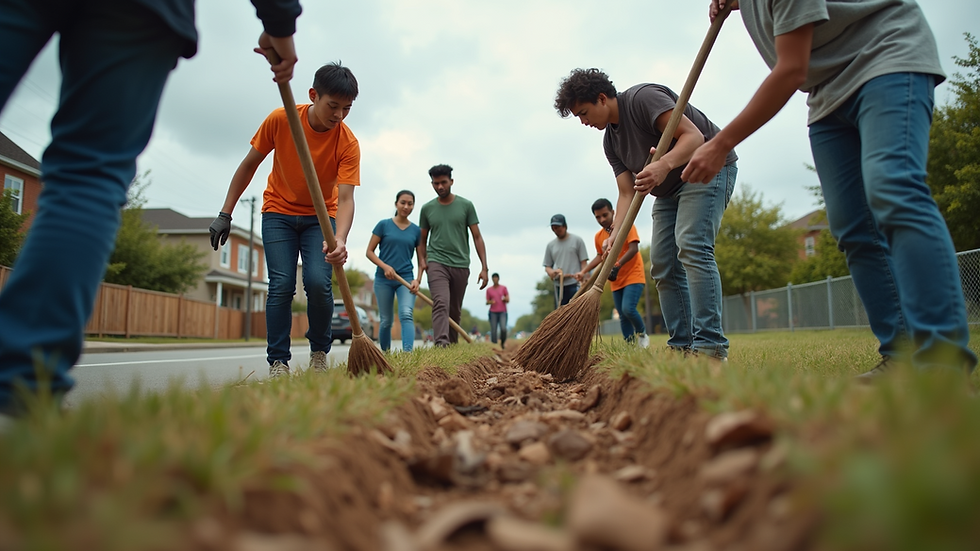
Volunteer: Getting involved in local organizations can help you connect with others and give back to the community.
Attend Events: Many communities host events focused on recovery and wellness. Attending these can help you meet like-minded individuals.
Start a Group: If you cannot find a local support group that fits your needs, consider starting one. This can create a space for others to share their experiences and support one another.
Building a supportive community can provide a sense of belonging and help individuals feel less isolated in their recovery journey.
Moving Forward Together
Substance use recovery is a journey that requires support, understanding, and resources. By utilizing local support groups, professional treatment options, and community resources, individuals can find their path to recovery.
Personal stories of triumph remind us that recovery is possible. With the help of family, friends, and a supportive community, individuals can rebuild their lives and find hope for the future.
As we continue to support one another, we can create a stronger, healthier community. Together, we can break the stigma surrounding substance use and recovery, fostering an environment where everyone feels empowered to seek help and heal.

In this journey, remember that you are not alone. There are resources and people ready to help you every step of the way. Embrace the support available, and take the first step toward a brighter future.


Comments